How A Small Roofing Mistake Turns Into A Leak
This article is adapted from Mikel Wallesen's video above.
Read the video transcript
As homeowners, we often don't think about our roof until there's a problem. But understanding how your roof works and what can go wrong is key to protecting your biggest investment. Here at Big Red Roofing, we've seen firsthand how a seemingly small issue can escalate into a major headache, like a leak. Let's talk about one common scenario.
The Overlap That Matters: Shingle Placement
When our team installs new shingles, we're not just throwing them up there. Every shingle is carefully laid with an overlap. This means each shingle covers a portion of the one below it. Think of it like a stack of dominoes or scales on a fish, each piece protects the one beneath it, shedding water downwards. A standard, effective overlap is often around three inches. This specific amount of coverage is crucial for keeping your roof watertight.
What Happens When Things Go Wrong
Now, imagine what happens if those shingles aren't laid perfectly flat or with the correct overlap. Sometimes, during installation, a shingle might be slightly crooked, or a nail might be driven in a way that causes a tiny hump. Over time, as your roof expands and contracts with temperature changes, or as it's exposed to sun and rain, these small imperfections can worsen.
We call this "buckling." It's essentially when a shingle isn't lying perfectly flat against the roof deck. It might lift slightly, creating a ripple or a raised area. Even a small buckle can be a big problem.
The Dry Out and Crack Cycle
That buckled shingle isn't just an aesthetic flaw; it's a weak point. The raised part of the shingle is more exposed to the elements. Sunlight beats down on it more intensely, and wind can dry it out faster. Asphalt shingles are designed to be flexible, but constant exposure and stress on a buckled area can cause them to become brittle.
Eventually, that brittle shingle will crack. And because it was buckled, that crack can often extend quite far up the shingle. The higher the crack goes, the closer it gets to exposing the layer beneath.
Exposing the Roof Deck
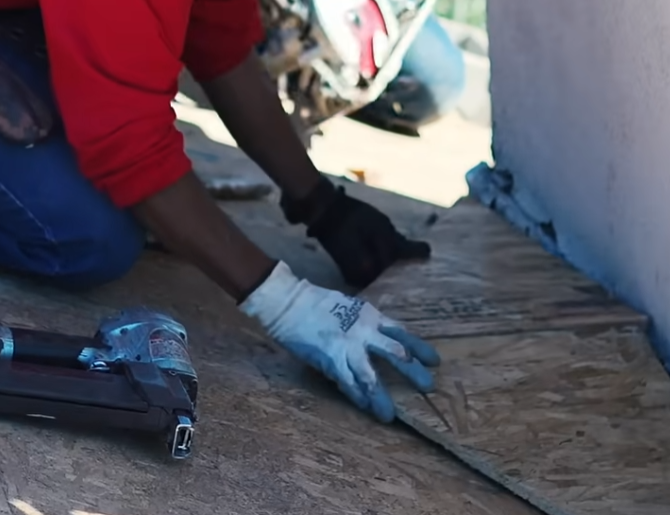
Underneath your shingles, there's a sturdy layer of plywood, or sometimes OSB (oriented strand board), which we call the "roof deck." This is the structural base of your roof, and it's designed to be protected from moisture by all the layers above it: the underlayment and the shingles themselves.
If a crack in a buckled shingle extends far enough, it can breach these protective layers and directly expose the roof deck. It’s like creating a tiny window for water to peek through.
The Path to a Leak
Once the plywood roof deck is exposed, it's game over for keeping water out. Rainwater, melting snow, or even heavy dew can find its way directly onto that exposed wood. From there, gravity takes over. Water will follow the path of least resistance, seeping through the plywood, often along a nail or a seam, until it reaches the inside of your home.
That drip you see on your ceiling? That stain spreading across your drywall? These are the telltale signs that a small, initial roofing mistake, like improper shingle laying leading to buckling and cracking, has finally led to a leak.
Why Quality Installation Matters
This chain of events highlights why choosing an experienced and meticulous roofing company is so vital. It’s not just about putting shingles on; it's about precise installation, understanding the mechanics of water shedding, and ensuring every single component works together to create a durable, watertight barrier. A small oversight during installation can turn into a costly repair down the line, affecting not just your roof, but your home’s interior structure and your peace of mind.
If you’re ever concerned about the condition of your roof, or if you suspect you might have an issue developing, please don't hesitate to reach out. Our team at Big Red Roofing is always ready to take a look and provide honest advice.