Roofing Contractor
Licensed Roofing Contractor in Paradise Valley, AZ
One house per acre was the reason Paradise Valley incorporated in 1961, and it's why so many roofs here spread wide across big lots. The town holds postwar ranch homes, mid-century moderns by architects like Al Beadle and Blaine Drake, adobe revival houses under multicolored tile, and newer estates on the slopes of Mummy and Camelback Mountains. Hillside lots also answer to the town's own rules on roof color and rooftop equipment.
Why Homeowners in Paradise Valley Choose Big Red Roofing
- Family-owned, run by owner Mikel Wallesen
- Spray foam, tile, shingle and commercial roofing
- A+ BBB rating, accredited since 2012
- Arizona ROC #276008
- Free roof inspection and quote
Ranch homes, desert moderns and mountain estates in Paradise Valley
After World War II, the land between Camelback Mountain, Mummy Mountain and Piestewa Peak was settled on lots of one to five acres, and residents incorporated in 1961 largely to keep zoning at one house per acre. That history still shapes the roofs. A single-story ranch home on an acre can carry a lot of roof, with long eaves, several wings and valleys wherever those wings meet.
The town also has a deep bench of modern architecture. Al Beadle completed his Beadle House 7 on Doubletree Road in 1955, and Blaine Drake, one of Frank Lloyd Wright's original Taliesin apprentices, designed homes like a 1965 house near 40th Street and Stanford. Homes in that tradition have clean, low lines where a clumsy repair is easy to spot. Older Pueblo and Monterey adobe revival houses bring multicolored tile and exposed vigas. At the newer end, contemporary estates use low roof profiles and broad overhangs to keep mountain views open.
On the mountains themselves, homes climb the slopes of Mummy Mountain, with the Camelback Inn on its south side, and the north face of Camelback Mountain along the town's southern edge.
Hillside rules, sun and wind on Paradise Valley roofs
Paradise Valley writes its own hillside code. Article XXII of the zoning ordinance covers building sites where the natural slope under the pad is 10 percent or more, and several of its rules reach the roof directly:
- No paint or material color with a light reflecting value above 38 percent
- Shake shingle roofs are prohibited. An existing shake roof can stay only until it needs a re-roof or a repair big enough to need a permit.
- Mechanical and electrical equipment is not allowed on the roof
- Solar panels have to be integrated into the design, hidden from view at the same or a lower elevation, and approved by the Hillside Building Committee
Those rules come into play when you pick tile color, a coating for a flat roof, or a replacement for old shake. Beyond the code, the conditions are familiar. Big, open roofs sit in full sun all day, and homes on the mountain slopes catch monsoon wind with little to slow it down. That's where loose ridge tile and wind-driven rain under the field tile start. Our crews glue ridge caps down, fit weather blocker along hip and ridge lines, and close every opened section before dark.
Roof costs on Paradise Valley properties
From our price sheet, on a 3,000 sq ft roof: shingle runs about $11,250–$14,250, a tile underlayment replacement $33,000–$48,000 and a complete tile tear-off $57,000–$78,000. Foam over an existing flat roof is $4.75–$6 per square foot. See every range on our pricing page.
A Paradise Valley roof gets priced on its own terms. What moves it:
- Total roof area and how many wings, valleys and hips connect them
- Pitch, plus any flat or low-slope sections on modern homes
- Tile type and profile, and whether your tile is still made or has to be saved piece by piece
- Underlayment choice and decking repairs
- Hillside color limits, or replacing shake with an allowed material
- Long carries and staging on hillside lots and long driveways
- For foam, whether we can spray over the existing roof
Our instant estimator gives a starting range. A free inspection on site turns that into a written number.
Where to go next for a Paradise Valley roof
- Tile roofing in Paradise Valley
- Spray foam roofing in Paradise Valley
- Shingle roofing in Paradise Valley
- Commercial roofing in Paradise Valley
Properties just past the town line get the same attention in Scottsdale, Phoenix and Tempe.
Roofing Services in Paradise Valley
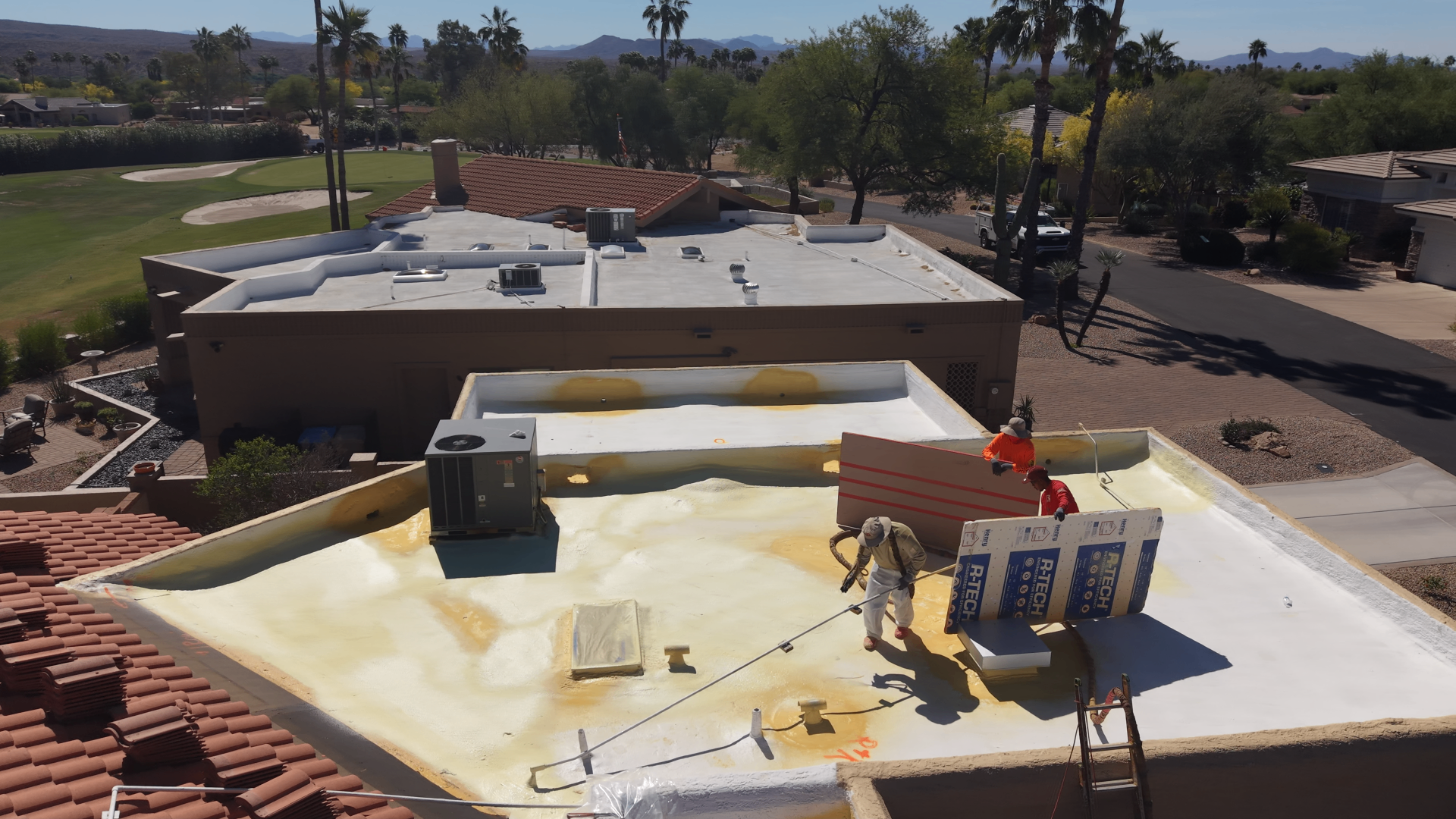
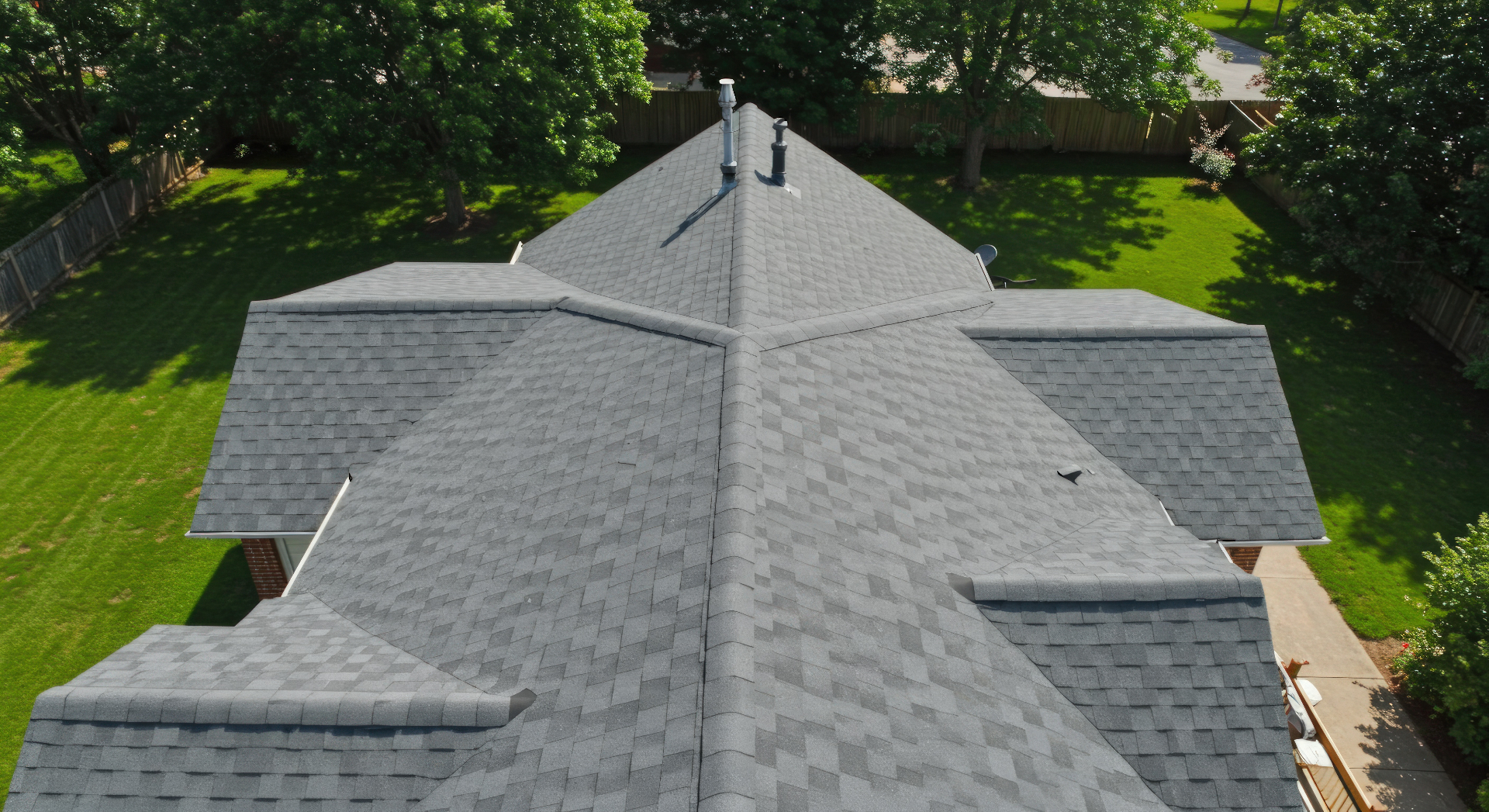
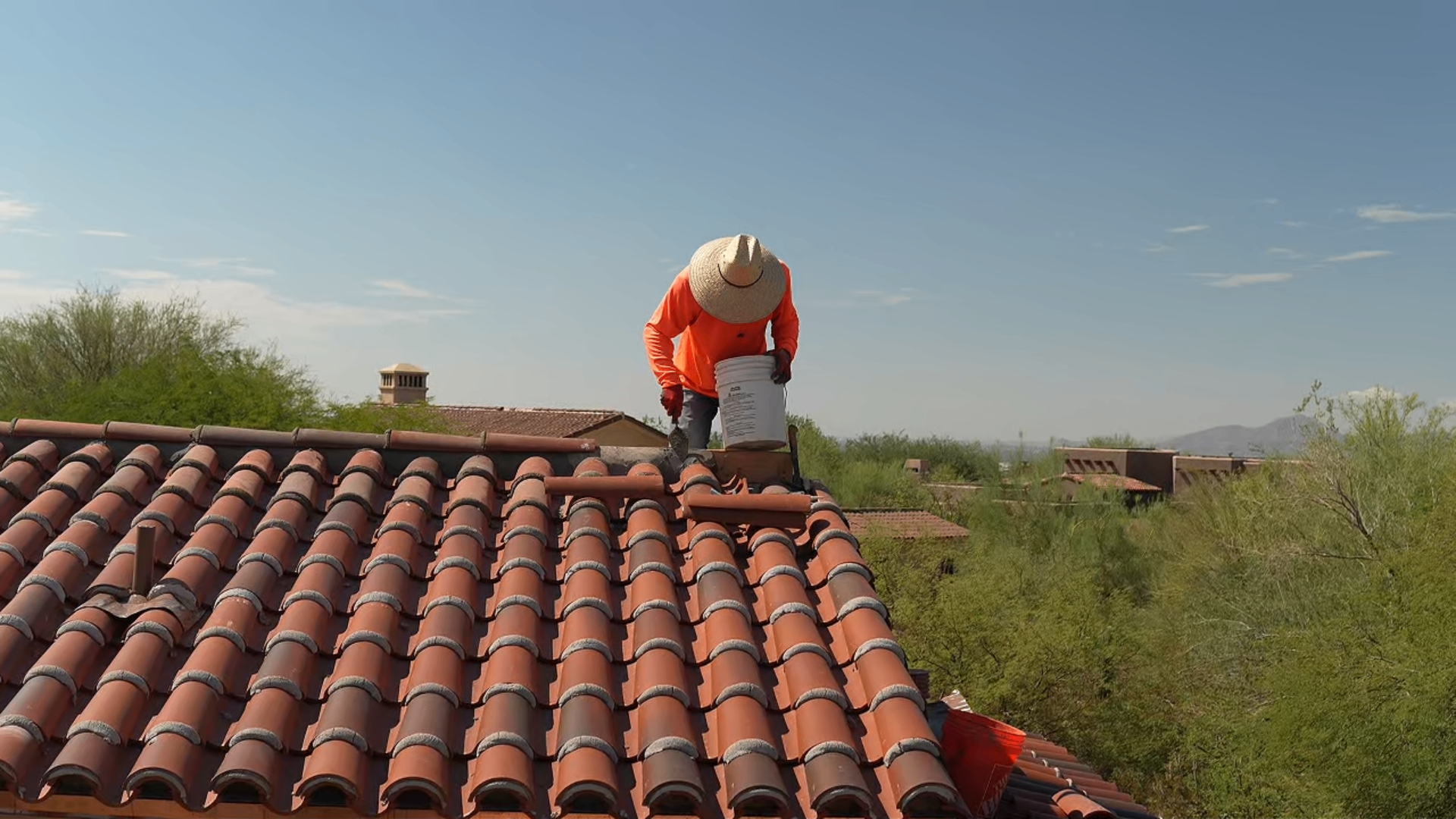
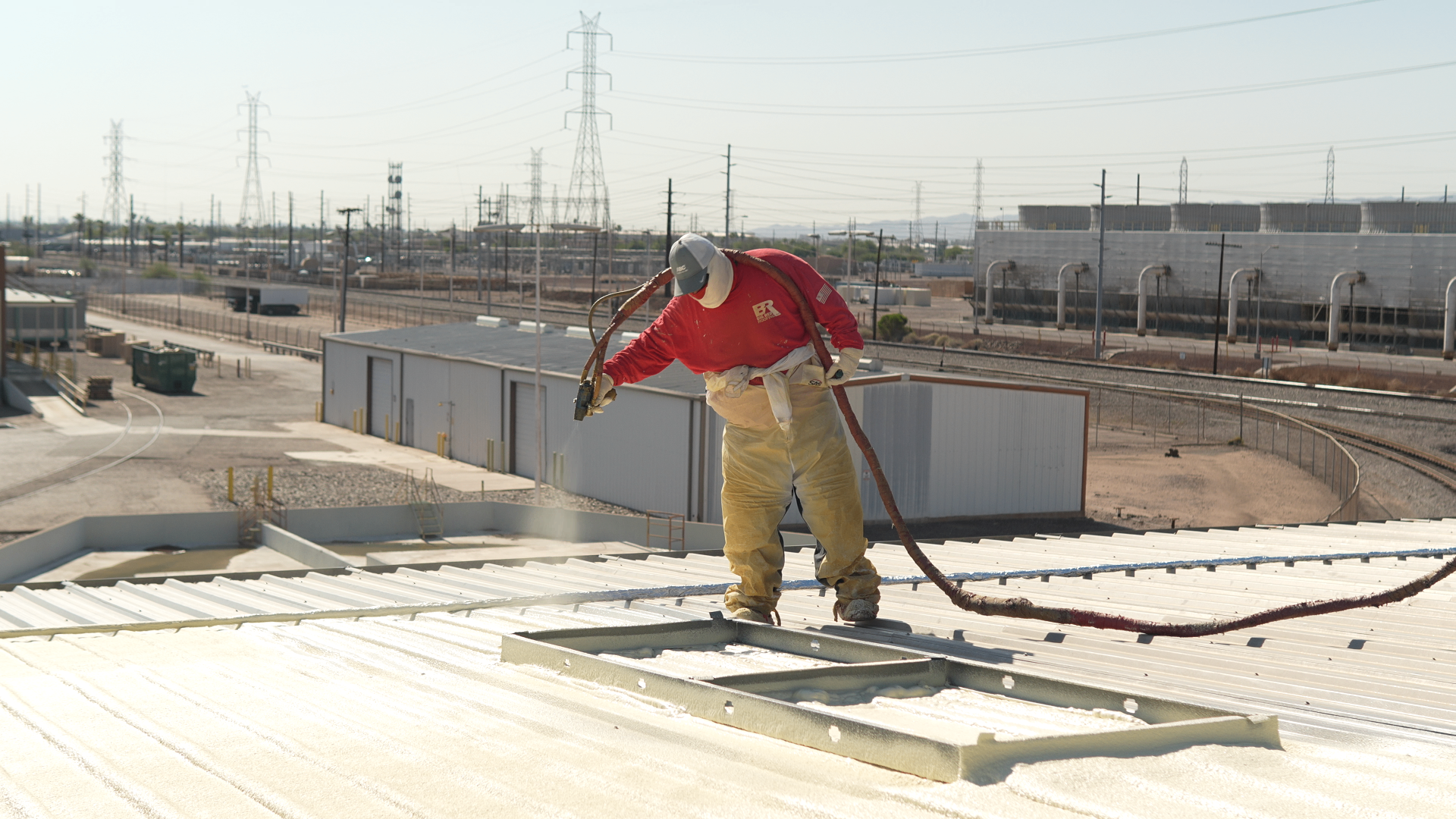
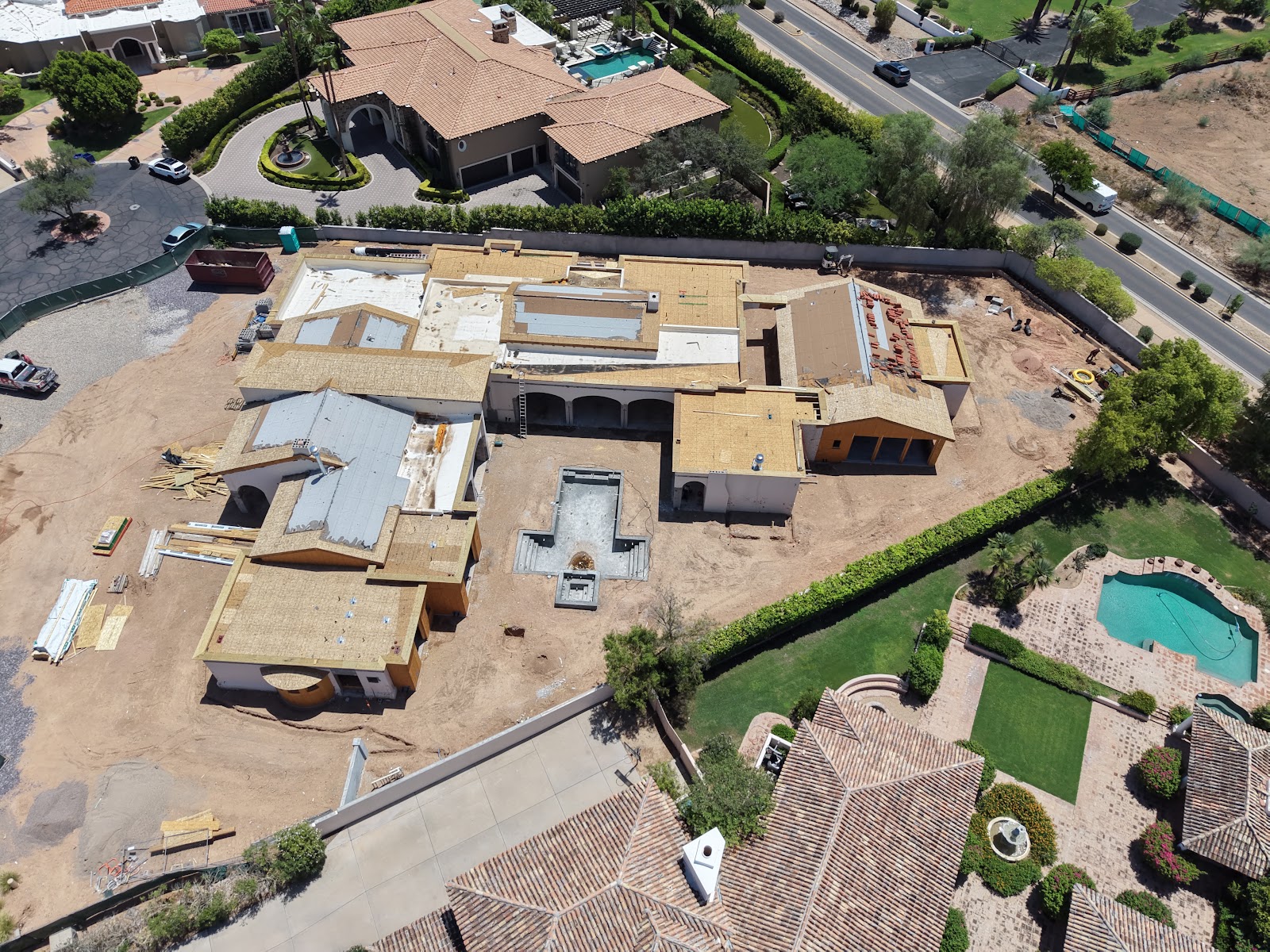
Recent Roofing Work in Paradise Valley
Roofing FAQs for Paradise Valley Homeowners
Roofing in Paradise Valley? Get an Instant Estimate
Talk to a real Arizona roofer, no pressure. We'll come out, take a look, and give you honest options.