Did the Monsoon Damage Your Tile Roof? Here's How to Actually Check
If your tile roof made it through monsoon season without a walk-through inspection, you don't actually know if it's fine, you just know it hasn't leaked yet. Wind-driven rain and hail can crack tile, lift flashing, and tear underlayment without a drop showing up inside the house for months. On estate homes across Scottsdale, that gap between "storm hit" and "ceiling stain" is usually the underlayment failing quietly under intact-looking tile.
What does monsoon damage on a tile roof actually look like?
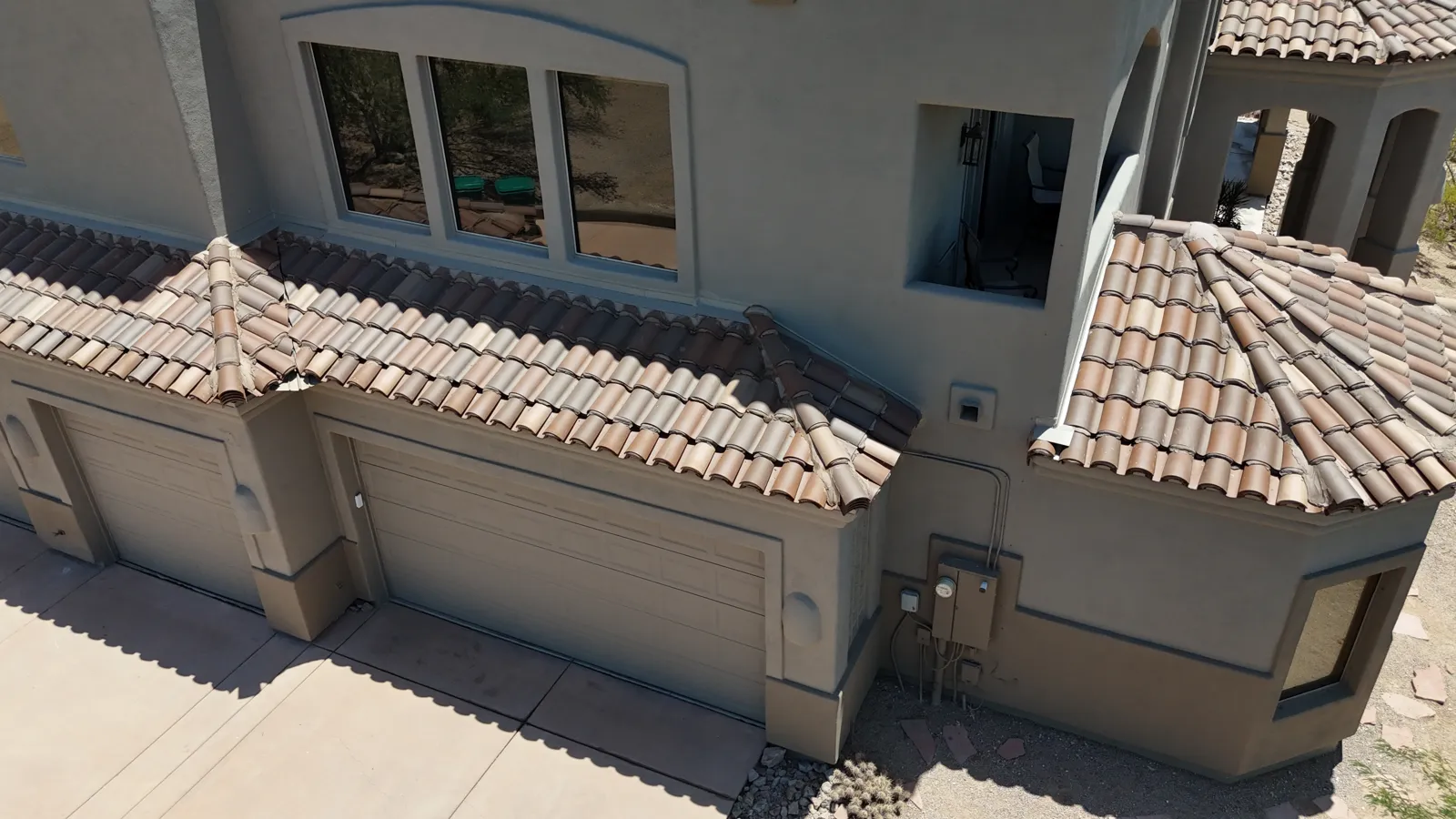
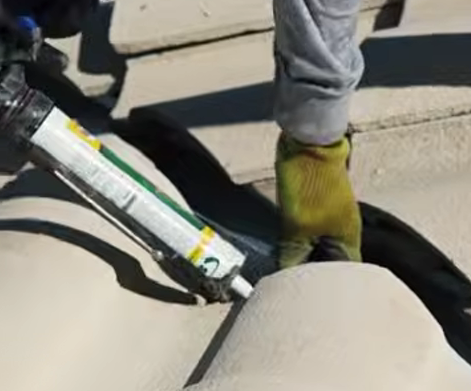
Cracked or slipped tile, torn or lifted flashing around vents and chimneys, and debris packed into valleys are the big three. None of those are dramatic from the ground. A slipped tile can sit half an inch out of place and look fine from your driveway. Flashing lifted by wind pulls away just enough to let water track sideways under the tile instead of running off the roof, and that's the failure mode that actually causes leaks, not a missing tile.
Do I need a full inspection after every storm, or just the bad ones?
Any storm with sustained wind or hail worth mentioning on the news is worth a look, everything else can wait for your annual check. We're not going to tell you to schedule a truck roll after a normal Arizona thunderstorm, that's how homeowners end up paying for inspections they don't need. But if you got hail, if a neighbor lost tile, or if you heard something hit the roof during a storm, that's a different category. Waiting six months to find out costs more than checking now.
Can I just look at my roof from the ground and call it good?
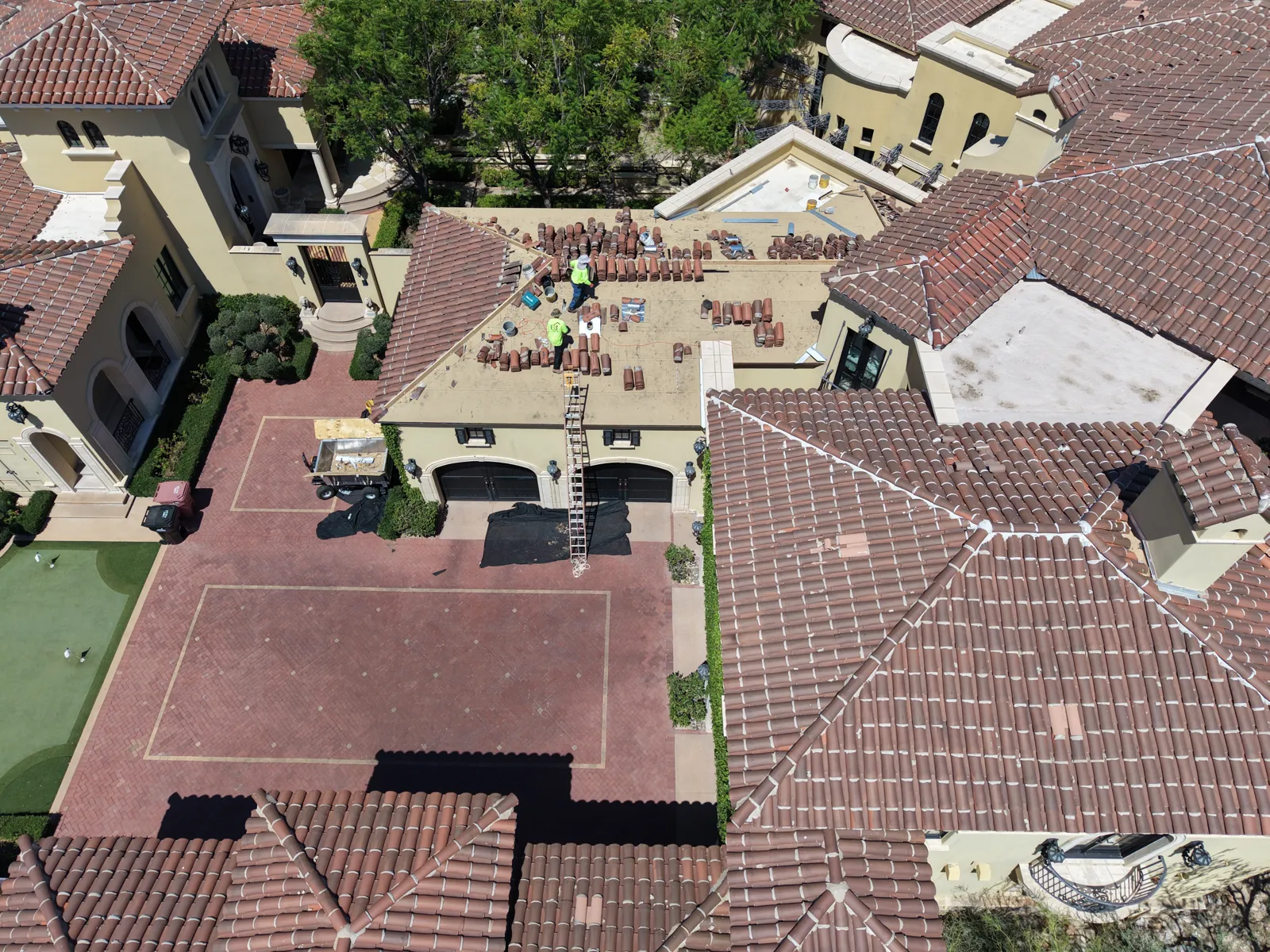
No, and this is where most missed damage comes from. Ground-level and even ladder-level views hide slipped tile, cracked underlayment seams, and packed valleys almost every time. The angle is wrong and the debris that matters is usually sitting flat in a valley you can't see unless you're standing on the roof. If you want a real answer instead of a guess, an actual walk-through beats a pair of binoculars every time.
Our online estimator is a fast way to start that process: get a free estimate. It's not a substitute for someone standing on your roof, but it's a legitimate first step before you schedule an in-person inspection in Scottsdale.
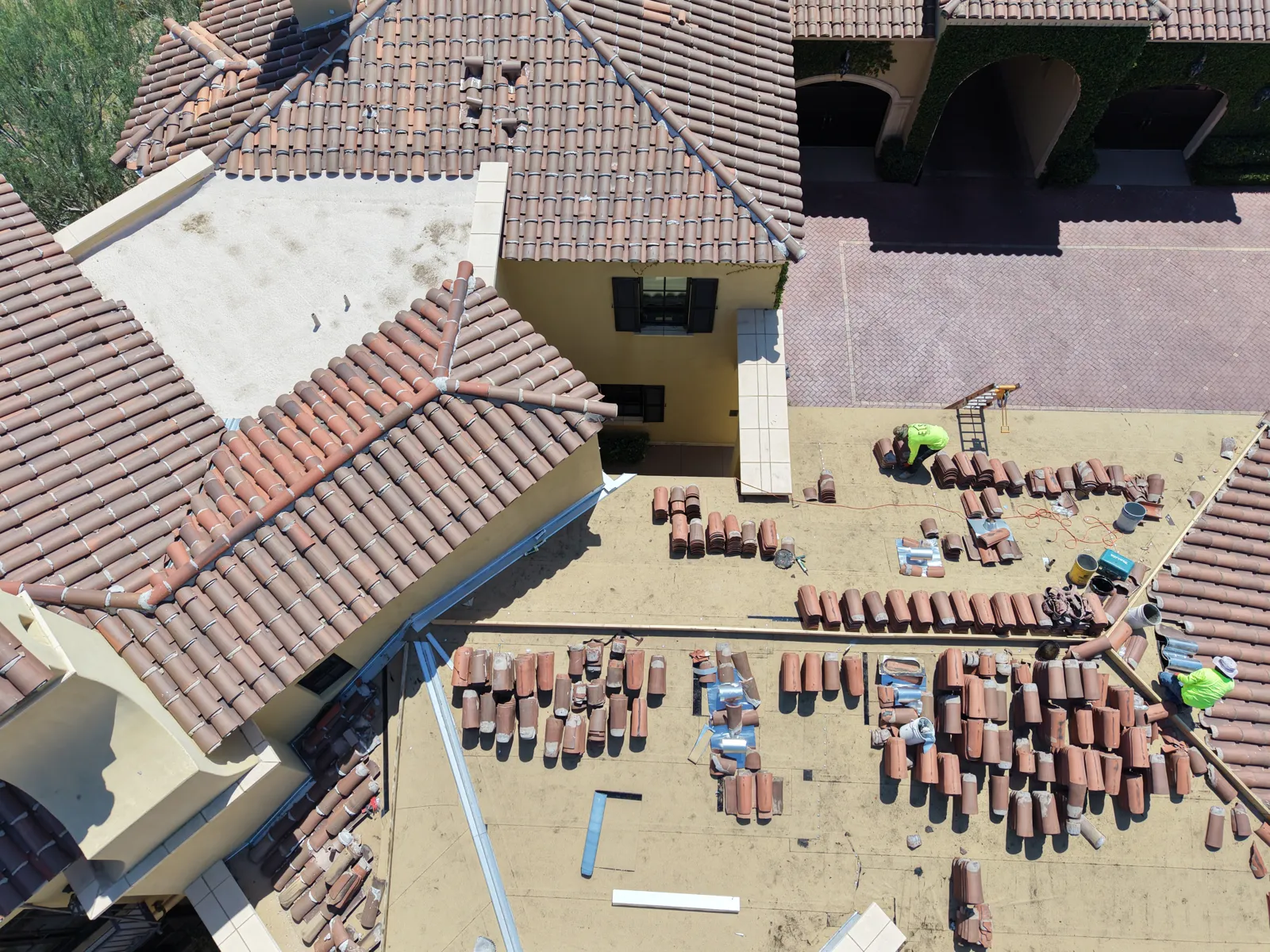
What actually happens during a professional post-storm roof check?
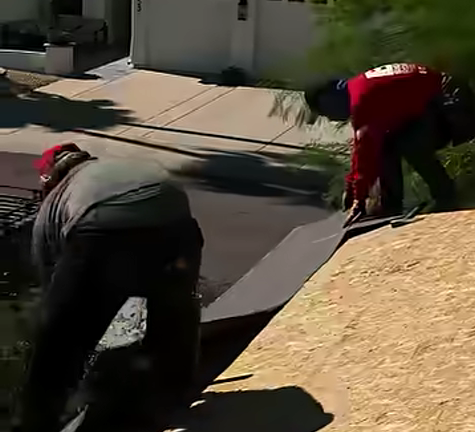
A real walk-through means someone physically on the roof checking every valley, every penetration, and every tile edge, not a pair of binoculars from the driveway. That typically covers: clearing debris out of valleys to see what's underneath it, checking flashing around vents, chimneys, and skylights for lift or separation, pressing on suspect tiles to see if they've slipped or cracked, and looking at the underlayment anywhere tile has already shifted. It's a slower process than it sounds, most of the damage that matters is small and easy to miss if you're rushing across the roof instead of actually inspecting it section by section.
FAQ
How soon after a storm should I get my roof checked?
Within a couple weeks if there was hail or sustained wind, sooner if you saw or heard debris hit the roof. Underlayment damage doesn't announce itself immediately, so waiting for a leak means you've already lost time.
Will my insurance actually cover monsoon roof damage?
Often yes for wind and hail, but it depends on your policy and how long you wait to document it. Photo documentation right after a storm makes a claim much easier than trying to prove damage months later after it's worsened.
My roof looks fine, can it still have underlayment damage?
Yes, tile can look completely intact while the underlayment underneath it has already torn or lifted. Tile is the visible layer, underlayment is what's actually keeping water out, and it fails first because it takes the abuse the tile is designed to deflect.
Is a cracked tile an emergency or can it wait?
A single cracked tile usually isn't an emergency, but it shouldn't sit for months either. It's a point of entry the moment enough wind-driven rain hits it at the right angle. Get it looked at before the next storm, not after the next leak.
Does fixing storm damage mean tearing off all my tile?
Not usually, but if the underlayment is the problem, the tile above it has to come off and go back on. Tile itself is durable and is almost always reusable, so the cost sits in labor and new underlayment, not in buying a whole new roof. A localized repair stays localized; a failed underlayment field is where scope grows, which is exactly why catching it early in Scottsdale keeps the job small. Start with a free estimate, then get someone on the roof.
Real project photos, never AI.